

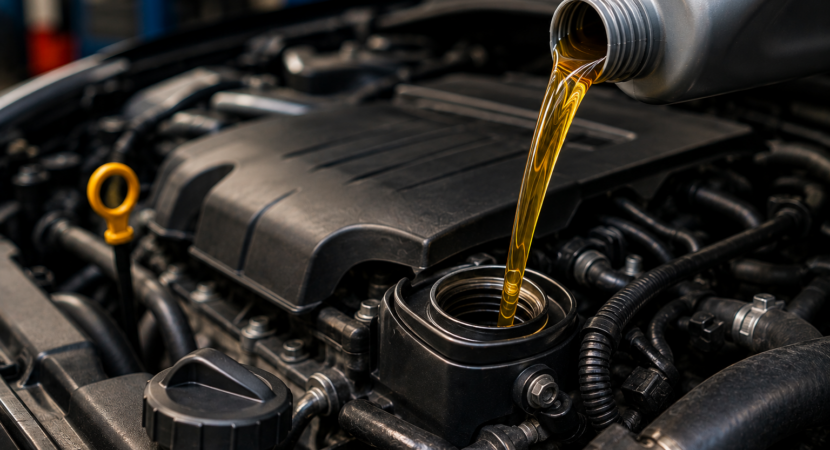
Cities and roads are busier than ever, and with today’s fast-paced lifestyle, vehicle maintenance routines play a huge role in keeping your engine healthy and reliable. Among all maintenance tasks, changing engine oil is the simplest — yet the most important.
Engine oil doesn’t just lubricate. It cools, protects, cleans, and supports every moving part inside your engine. Over time, that oil breaks down, collects debris, and becomes less effective. That’s why understanding when and why to change your oil is essential for your vehicle’s long-term performance and safety.
Manufacturer Guidelines & Modern Oil Technology
Vehicle manufacturers typically recommend the following intervals:
However, these numbers aren’t set in stone. Modern engines, improved filtration systems, and high-performance synthetic oils allow longer intervals — but only when driving conditions are ideal.
Driving Conditions That Change Your Oil Schedule
Your vehicle may need more frequent oil changes if you regularly experience:
Severe Driving Conditions Include:
Mechanical & Environmental Factors Include:
Modern driving isn’t always “normal use.” From heavy traffic to harsh environments, real-world conditions can break down engine oil faster than expected. By understanding your driving habits and maintaining timely oil changes, you help keep your engine cleaner, cooler, and running reliably for years to come.


1 Comment
Recster Editorial
December 6, 2025 at 4:52 pmGreat insights! I really appreciate how this article connects sustainability with emotional well-being. Biophilic design truly transforms how people experience urban spaces — it’s not just about beauty, it’s about quality of life.